
There is a moment every year, usually around the second week of November, when the sky turns permanently grey and you start looking at flights just to see what is out there. If that sounds familiar, you are in the right place. The good news is that you do not need to fly across the world to find real warmth in winter. Parts of Europe stay surprisingly pleasant, but you need to be honest about what kind of warm you are after, because it changes the answer completely.
If you want real beach weather
Only one part of Europe really gives you this in December and January: the Canary Islands. They sit off the coast of Africa, which is why daytime temperatures usually hover around the low 20s Celsius even in the middle of winter. The sea is cool but swimmable if you are brave, and the pool is perfectly comfortable.
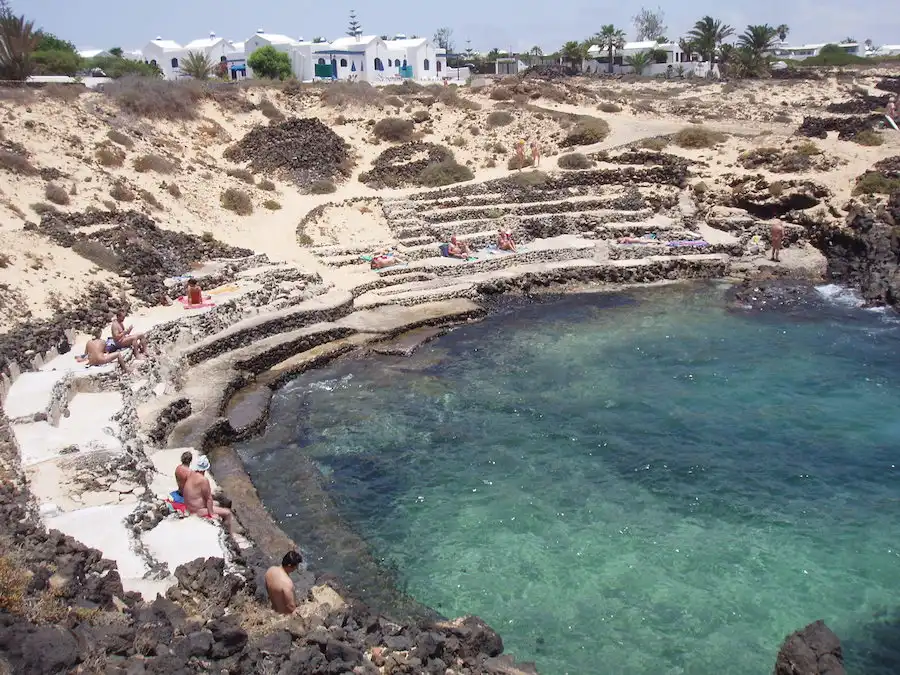
Tenerife and Gran Canaria are the safe choices, with big resorts, lots of flights and plenty to do if you get bored of the beach. The south of Tenerife is the sunniest part. Fuerteventura is the one for long, wide beaches and a quieter feel, and it is also windy, so pack a light jacket for the evenings. Lanzarote looks like another planet, with black volcanic landscapes and white villages, and it is great if you want to explore instead of just lie down.
Flights from the UK take around four and a half hours, which makes it the most realistic option for a long weekend or a week.
If you want mild and sunny, not hot
This is where a lot of people get disappointed, so it is worth being clear. The Mediterranean in winter is lovely for walking, eating outside and sightseeing, but it is not swimming weather. Think light jacket during the day, a proper coat at night.
Madeira is the best of this group. The island stays green and mild all year, with temperatures around 18 or 19 degrees in winter, and you can hike along the old irrigation channels in a t-shirt. It is also famous for its New Year’s Eve fireworks over the bay of Funchal, which is one of the reasons it fills up around the holidays, so book early if you are going then.
The Algarve in Portugal gets a lot of sunny days even in December, and it is much quieter than in summer. Golf courses stay open, the cliffs are dramatic, and you can often get a good hotel for half the summer price. Seville in southern Spain is a different mood: orange trees lined along the streets, outdoor tapas at lunchtime, and temperatures that feel like early spring.
Malta and Cyprus sit a little further east. Both are sunny and relaxed in winter, and both are great if you want history without the summer crowds. Paphos in Cyprus is a good pick, since its archaeological sites are open and pleasant to walk around when the heat of summer is gone.

A few honest warnings
Winter can be unpredictable even in warm places. A few rainy days are normal, and some beach towns go very quiet, with restaurants and shops closing for the season. Check which ones stay open before booking. Sea temperatures on the Mediterranean coasts are cold enough that most people will not want to go in, so if swimming is a must, stick to the Canaries.
Also look at the days of daylight. In December the sun sets around 5 or 6 pm even in the south, so plan your beach and sightseeing time for the middle of the day.
Booking tips that save real money
The best deals appear in early January, right after the holidays, when prices drop and the weather is just as good. Avoid the week between Christmas and New Year if you can, since flights and hotels cost double. And for the Canaries, an all inclusive deal is often cheaper than booking separately, so compare before you decide.
If you are still undecided, ask yourself one thing: do you want to swim, or do you just want to sit outside without a coat? Swim, go to the Canaries. Just want the coat off, pick Madeira, the Algarve or Seville, and you will come back with a tan and a much better mood.